🎉 Up to 70% Off Selected ItemsShop Sale

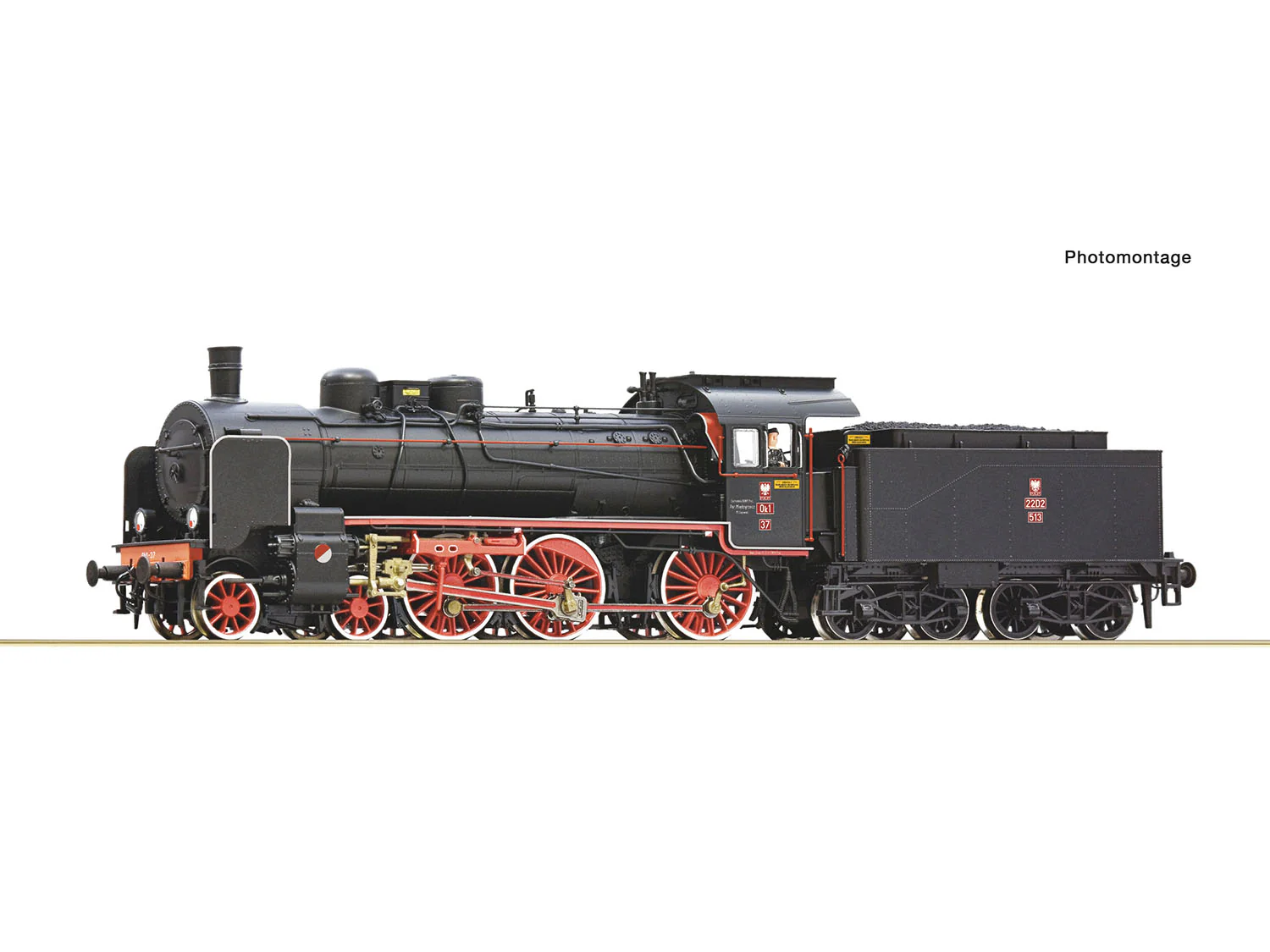
Roco 7110050 PKP Ok1-37 Steam Locomotive IV (DCC-Sound) HO Gauge
PKP Ok1-37 Steam Locomotive IV (DCC-Sound)
1:87 scale model produced by Roco. This model is ready-to-run straight out of the box and would make a excellent addition to any model railway collection.
Features:
DCC Sound Model
Best suited to Epoch IV Model Railways
This model mainly operates in Poland
Decorated in PKP company markings
Best suited to 358mm radius curves
Particularly striking design with decorative lines, including on the smoke deflectors and running boards
Finely detailed model with many separately applied parts
Wheels with fine spokes
Cab and engine lighting installed; switchable in digital operation.
Details
The Prussian P 8 is one of the most iconic and widely produced German 4-6-0 steam locomotives, originally designed for the Prussian state railways in the early 20th century. Designed by Robert Garbe as a successor to the older P 6 class, the P 8 was built between 1906 and 1923 by Berliner Maschinenbau (Schwartzkopff) and a dozen other German manufacturers, with total production reaching around 3,700 locomotives.
Classified by the Deutsche Reichsbahn as DRG Class 38.10–40, the Prussian P 8 was a versatile passenger engine capable of speeds up to 110 km/h, yet robust enough for mixed-traffic service on mainline routes throughout Germany and beyond. Its balanced 4-6-0 wheel arrangement, dependable boiler and economical performance made it a favourite with railways, and post-World War I reparations saw many P 8s operating under foreign flags with operators such as the PKP Ok1 in Poland and other European systems.
The P 8 served for more than half a century, with the last examples retired from regular service by the 1970s. Today, numerous preserved P 8 locomotives appear in museums and on heritage railways, making this class a beloved prototype for HO scale and steam-era model railway layouts and a compelling choice for enthusiasts recreating classic early 20th-century German passenger operations.
$494.95
Roco 7110050 PKP Ok1-37 Steam Locomotive IV (DCC-Sound) HO Gauge—
$494.95
Product Information
Product Information
Shipping & Returns
Shipping & Returns
Description
PKP Ok1-37 Steam Locomotive IV (DCC-Sound)
1:87 scale model produced by Roco. This model is ready-to-run straight out of the box and would make a excellent addition to any model railway collection.
Features:
DCC Sound Model
Best suited to Epoch IV Model Railways
This model mainly operates in Poland
Decorated in PKP company markings
Best suited to 358mm radius curves
Particularly striking design with decorative lines, including on the smoke deflectors and running boards
Finely detailed model with many separately applied parts
Wheels with fine spokes
Cab and engine lighting installed; switchable in digital operation.
Details
The Prussian P 8 is one of the most iconic and widely produced German 4-6-0 steam locomotives, originally designed for the Prussian state railways in the early 20th century. Designed by Robert Garbe as a successor to the older P 6 class, the P 8 was built between 1906 and 1923 by Berliner Maschinenbau (Schwartzkopff) and a dozen other German manufacturers, with total production reaching around 3,700 locomotives.
Classified by the Deutsche Reichsbahn as DRG Class 38.10–40, the Prussian P 8 was a versatile passenger engine capable of speeds up to 110 km/h, yet robust enough for mixed-traffic service on mainline routes throughout Germany and beyond. Its balanced 4-6-0 wheel arrangement, dependable boiler and economical performance made it a favourite with railways, and post-World War I reparations saw many P 8s operating under foreign flags with operators such as the PKP Ok1 in Poland and other European systems.
The P 8 served for more than half a century, with the last examples retired from regular service by the 1970s. Today, numerous preserved P 8 locomotives appear in museums and on heritage railways, making this class a beloved prototype for HO scale and steam-era model railway layouts and a compelling choice for enthusiasts recreating classic early 20th-century German passenger operations.