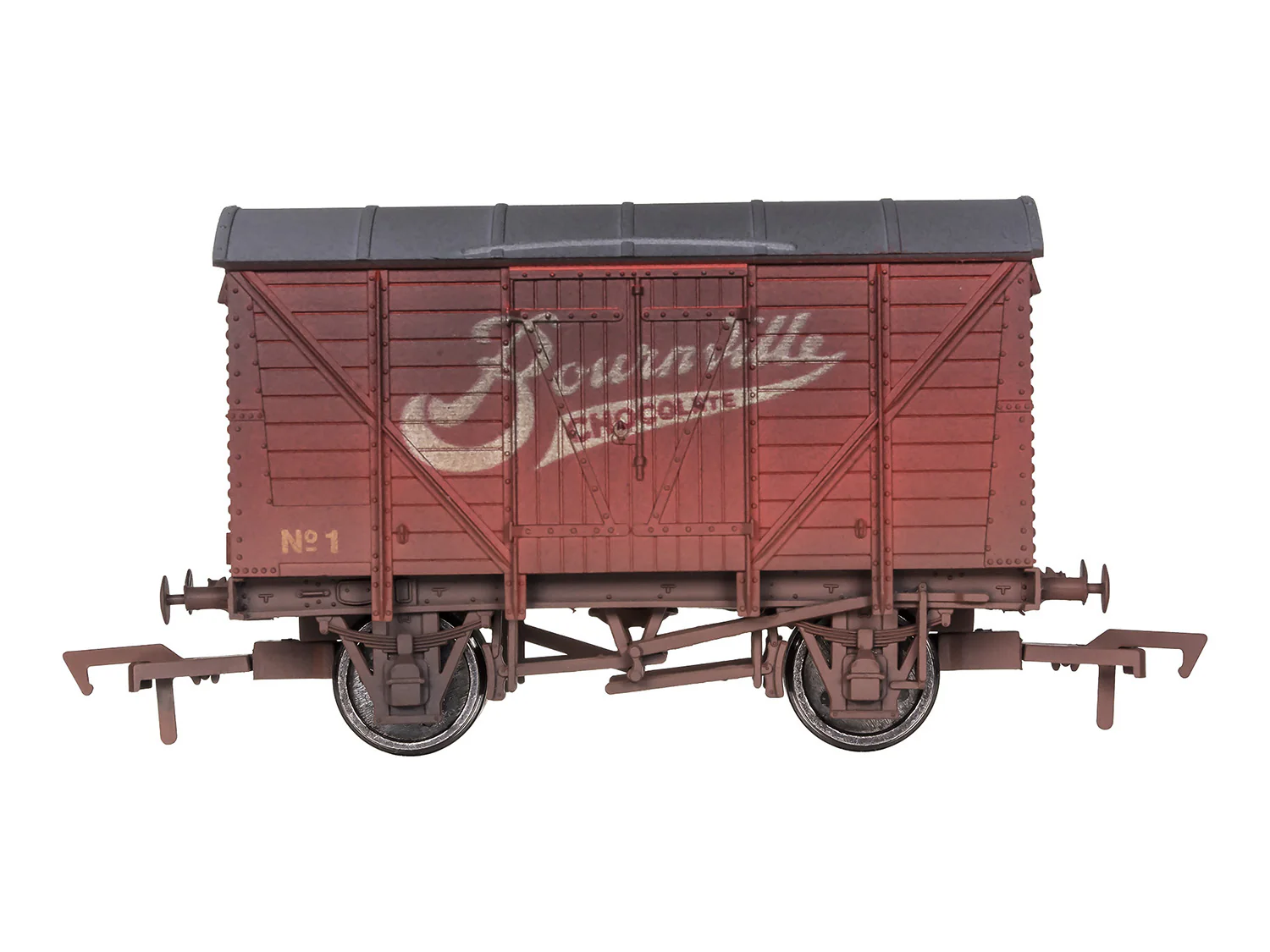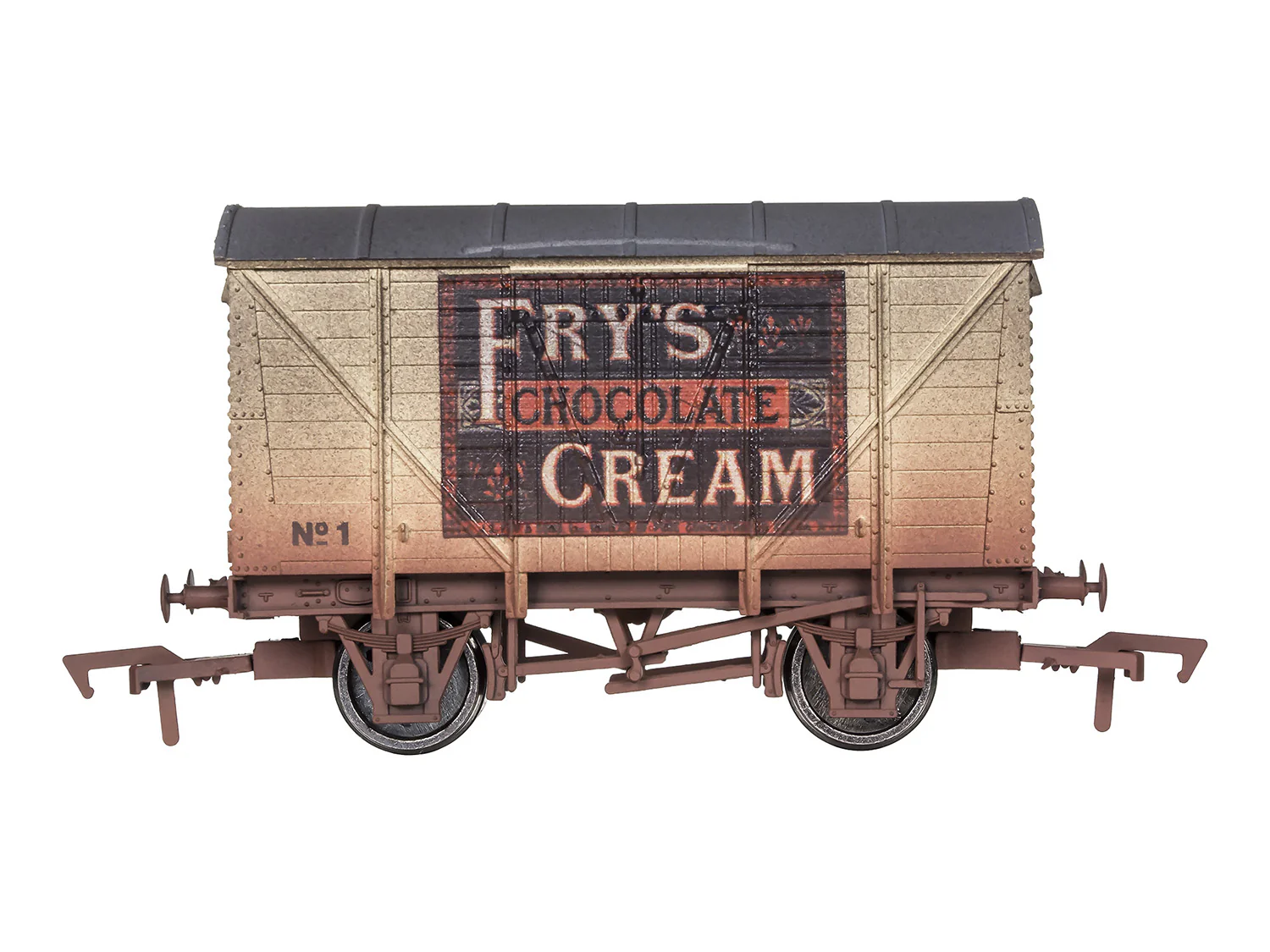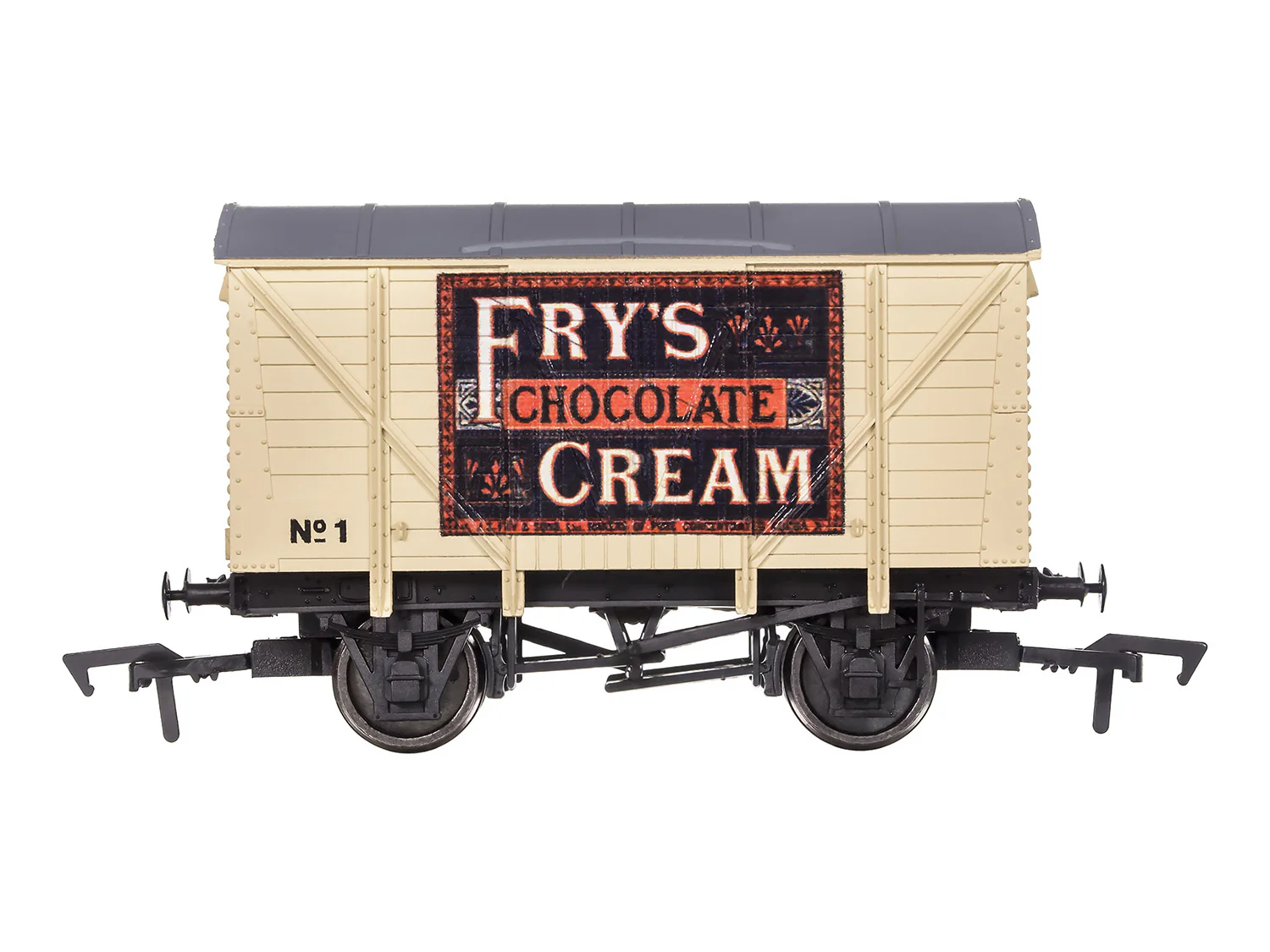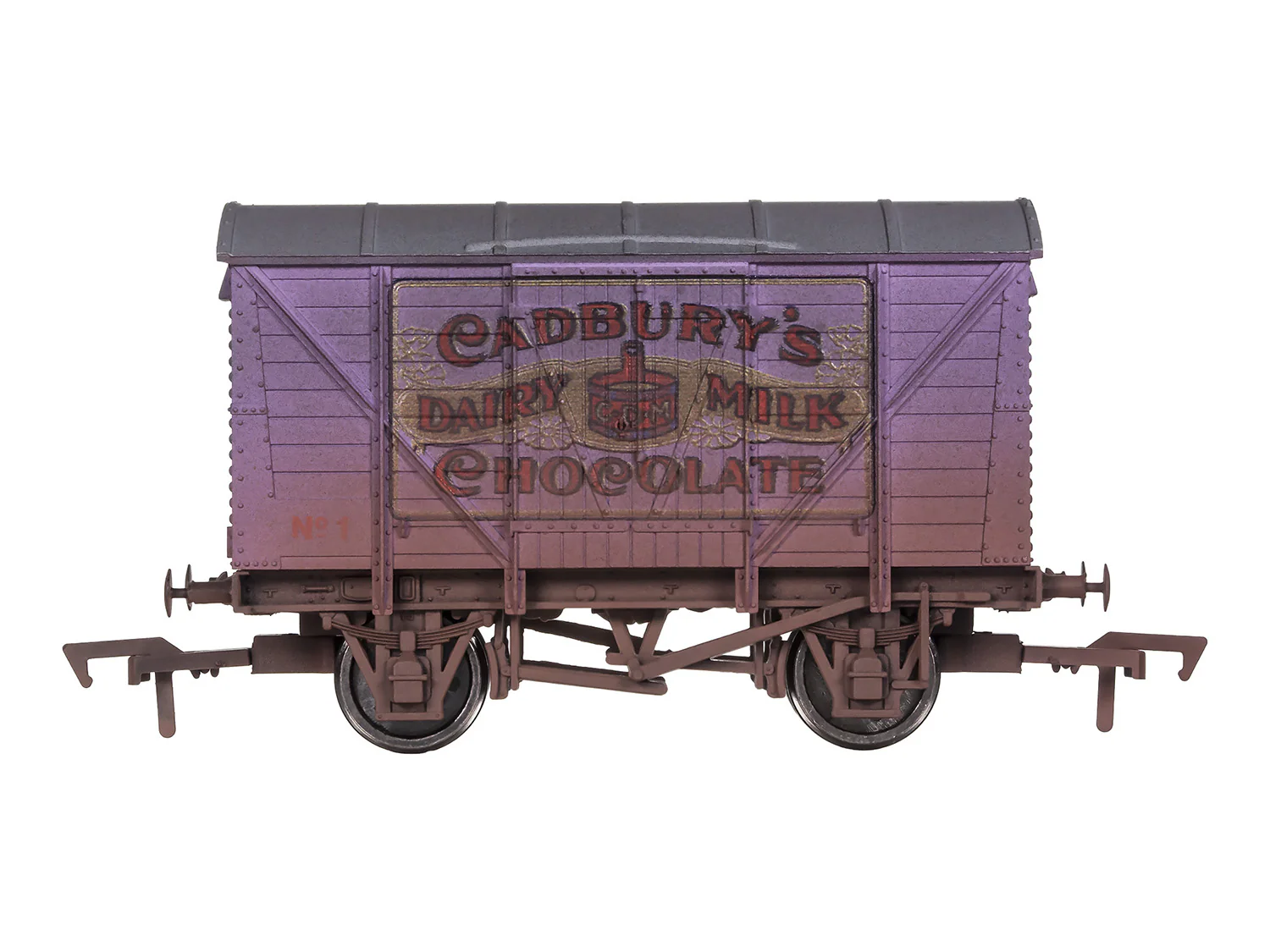
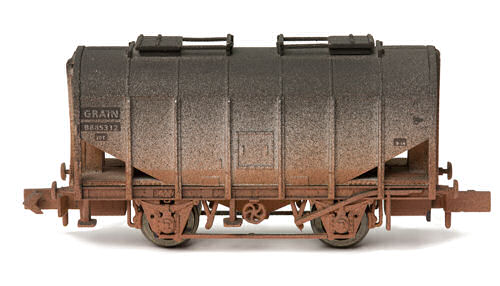
Dapol Bulk Grain Hopper BR B885312 Weathered DA2F-036-005 N Gauge
Model
1:148 Scale model produced by Dapol. This model is ready-to-run and will make a great addition to any model railway collection.
Model Features- 1:148 Scale Model
- Weathered Paint Finish
- This model is best suited to 221mm radius curves
- This model is if fitted with NEM style couplings
Details
British Rail’s bulk grain hopper wagons played an important role in the mid-20th century, especially when the UK was importing large volumes of grain. As demand for bulk grain transport grew, BR standardised its fleet using an LMS-derived steel bodied hopper design, featuring a 10' 6 wheelbase and a 21 ft body. These wagons usually ran in small rakes of between two and ten vehicles, working in mixed goods trains.
Grain was discharged via bottom-discharge chutes, feeding into augers which transferred bulk grain into waiting road transport. During the 1960s and 1970s, rail’s share in bulk grain traffic peaked as Britain exported grain overseas.
However, by the early 1990s, this traffic declined sharply. Road haulage became more economical, and the rail-borne movement of bulk grain decreased significantly. Although once a vital part of the freight landscape, by the later decades the bulk grain hopper was used much less, reflecting broader shifts in transport economics and the decline of rail’s dominance in that sector.
Product Information
Product Information
Shipping & Returns
Shipping & Returns
Description
Model
1:148 Scale model produced by Dapol. This model is ready-to-run and will make a great addition to any model railway collection.
Model Features- 1:148 Scale Model
- Weathered Paint Finish
- This model is best suited to 221mm radius curves
- This model is if fitted with NEM style couplings
Details
British Rail’s bulk grain hopper wagons played an important role in the mid-20th century, especially when the UK was importing large volumes of grain. As demand for bulk grain transport grew, BR standardised its fleet using an LMS-derived steel bodied hopper design, featuring a 10' 6 wheelbase and a 21 ft body. These wagons usually ran in small rakes of between two and ten vehicles, working in mixed goods trains.
Grain was discharged via bottom-discharge chutes, feeding into augers which transferred bulk grain into waiting road transport. During the 1960s and 1970s, rail’s share in bulk grain traffic peaked as Britain exported grain overseas.
However, by the early 1990s, this traffic declined sharply. Road haulage became more economical, and the rail-borne movement of bulk grain decreased significantly. Although once a vital part of the freight landscape, by the later decades the bulk grain hopper was used much less, reflecting broader shifts in transport economics and the decline of rail’s dominance in that sector.